Ocean Beach Historic District · Miami Beach
SAVE 235
WASHINGTON
A 1938 Art Deco landmark.
Certified safe. Now threatened with demolition.
Ocean Beach Historic District · Miami Beach
A 1938 Art Deco landmark.
Certified safe. Now threatened with demolition.
A contributing building in a designated historic district is being targeted for demolition — not because it's unsafe, but to make way for a private school playground.
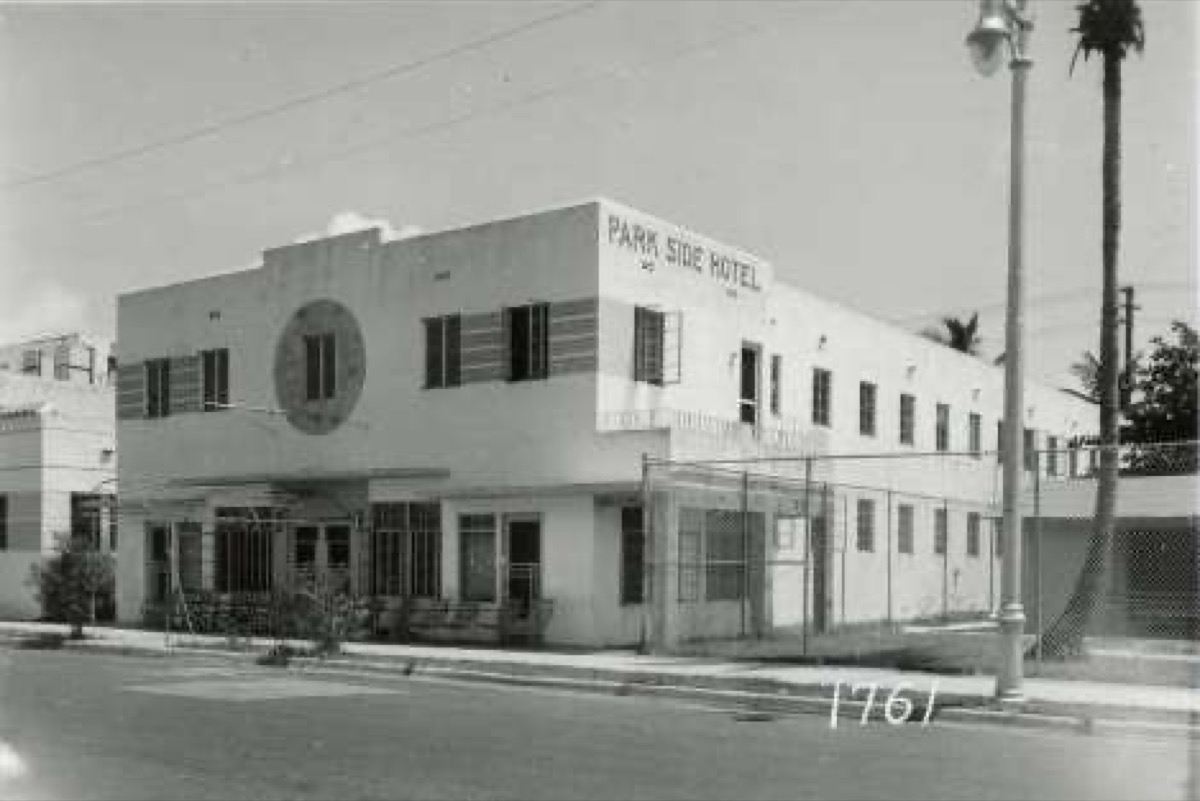
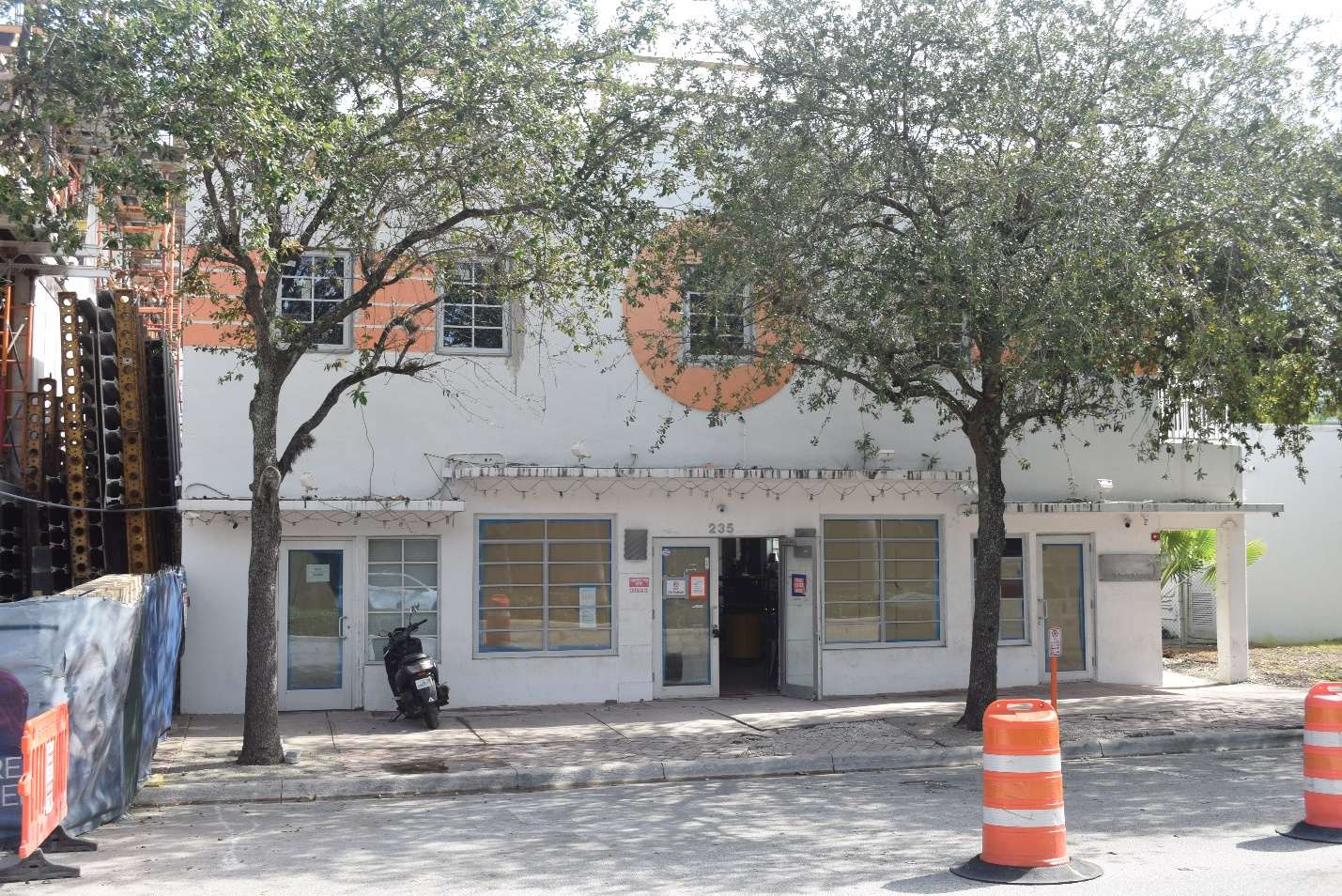
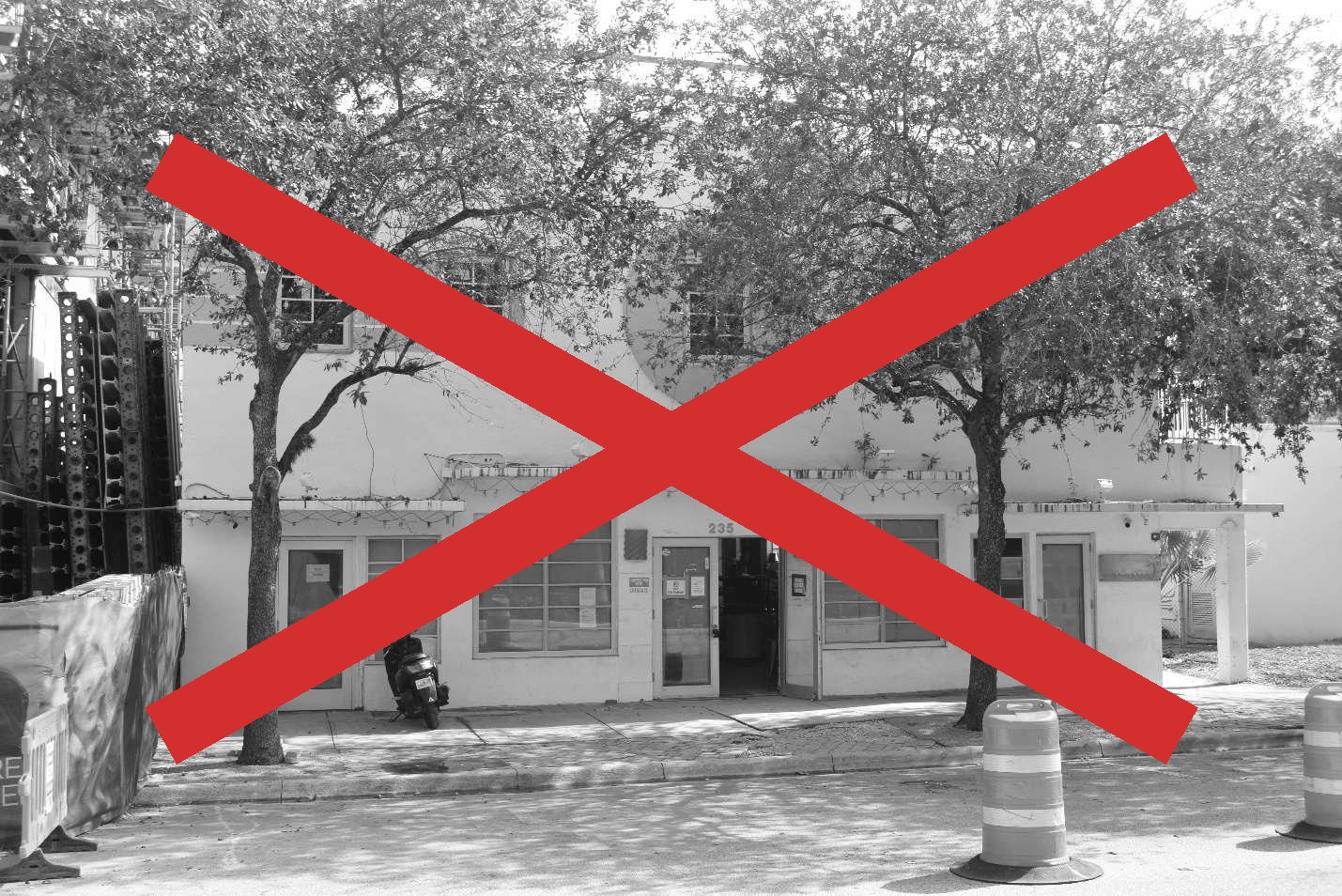
235 Washington Avenue — The Parkside Hotel (1938), a contributing building in the Ocean Beach Historic District
Architect B. Kingston Hall designs the two-story Art Deco hotel at 235 Washington Avenue. Hall's legacy includes the Blackstone Hotel and numerous Miami Beach landmarks.
235 Washington is recognized as a contributing building in the Ocean Beach Historic District, protecting Miami Beach's architectural heritage.
The 40/50-year recertification finds the building in "fair condition" — structurally and electrically safe for continued occupancy. Certification valid until 2028.
The property is acquired in December 2023 by an LLC linked to software executive John D. Marshall, whose company has been acquiring properties in the South of Fifth neighborhood for private school use.
A structural engineer hired by the developer finds the building in "moderate to bad" condition, recommending complete demolition. This directly contradicts the 2019 recertification.
A Certificate of Appropriateness is sought to demolish the historic building and replace it with synthetic turf and a fence — a playground for a private school.
Same building. Two very different conclusions. One was an independent city recertification — the other was commissioned by the entity seeking demolition.
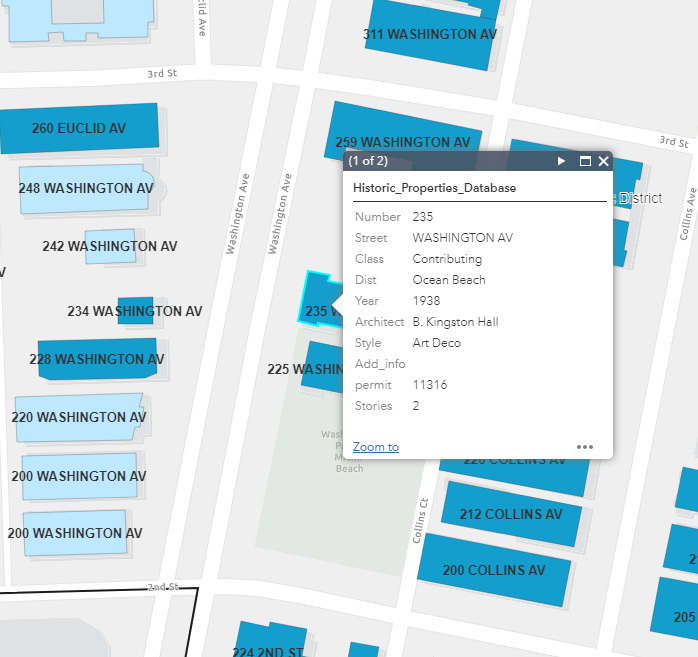
Official City of Miami Beach Historic Properties Database: 235 Washington Ave — Contributing, Art Deco, 1938
— Manuel E. Siques, P.E. & Victor G. Reeve, P.E.
Independent recertification for the City of Miami Beach
— Developer-commissioned engineering assessment
Commissioned by 235 Washington LLC (the entity seeking demolition)
A central argument in the developer's case is that 235 Washington "does not comply with current building code requirements." This sounds alarming — until you realize it applies to virtually every historic building in Miami Beach. Here's why this argument is misleading, and what the law actually says.
The Florida Existing Building Code (FEBC), Section 301.1.2 explicitly states that existing buildings are evaluated under the codes in effect at the time they were built — not current new-construction standards. Materials and systems "in compliance with requirements or approvals in effect at the time of their erection or installation are permitted to remain in use." The developer's entire argument ignores this foundational legal principle.
Concrete strength averages 2,005 PSI — "significantly below current Florida Building Code standards."
The 1936 concrete standard (ACI 501-36T) — the code in effect when this building was designed — specified a minimum of 2,000 PSI. At 2,005 PSI average, this building meets the standard it was built to. The current FBC minimum of 2,500 PSI applies to new construction only. Under the Florida Existing Building Code, the 1938 standard governs.
Floor elevation is 6.1 ft NGVD — below FEMA base flood elevation of 8.0 ft. Lifting the building is "infeasible."
FEMA's 50% Rule governs when flood elevation compliance is triggered: only when improvements exceed 50% of the building's market value. There is no FEMA requirement to demolish existing structures below BFE. South Beach's average elevation is 3–6 feet. Virtually every pre-1945 building in Miami Beach sits below the 8-foot BFE — all 800–960 contributing structures in the Art Deco Historic District included.
Shallow foundations "inadequate to meet current code requirements." Would require "Level III alteration."
Every 1930s building has shallow foundations by today's standards. "Level III alteration" is a Florida Building Code classification triggered by major renovations — it is not a safety condemnation of the existing structure. The 2019 recertification evaluated the actual structural system as-built and certified it safe for continued occupancy through 2028.
Building is "nonconforming" with Resiliency Code setback requirements.
"Legal nonconforming" is a constitutionally protected property right — a shield for existing buildings, not a sword against them. It means the building predates a newer rule. Most historic buildings in Miami Beach are legally nonconforming. No jurisdiction in America requires demolition solely because a building is nonconforming.
Building codes change constantly. They set standards for new construction. The Florida Existing Building Code explicitly provides that existing buildings are governed by the codes in effect when they were built — not today's standards.
If "doesn't meet current code" were grounds for demolition, you would have to tear down virtually every historic building in Miami Beach — the entire Art Deco Historic District, the very buildings that make this city world-famous. Hundreds of structures. All below flood elevation. All with 1930s concrete. All with shallow foundations.
The developer is weaponizing modern building codes against a nearly 90-year-old building. The real question isn't whether a 1938 building meets 2026 codes — of course it doesn't, and it was never required to. The question is whether the building is structurally safe. And the city's own 2019 recertification says it is, through 2028.
Why does a private school need to demolish a historic building for outdoor space?
"They want to preserve this building that is a nothing burger for the last five or ten years."
— John Marshall, owner of 235 Washington Ave, speaking at the South of Fifth Neighborhood Association public meeting, March 2026"I don't have to do this at the end of the day."
John D. Marshall, a software executive, has been acquiring properties across the South of Fifth neighborhood for private school development.
BaseCamp305 has been expanding aggressively across the neighborhood, acquiring multiple properties for school use.
A massive new middle school building is already under construction at 251 Washington — on an empty lot. That project was approved years ago.
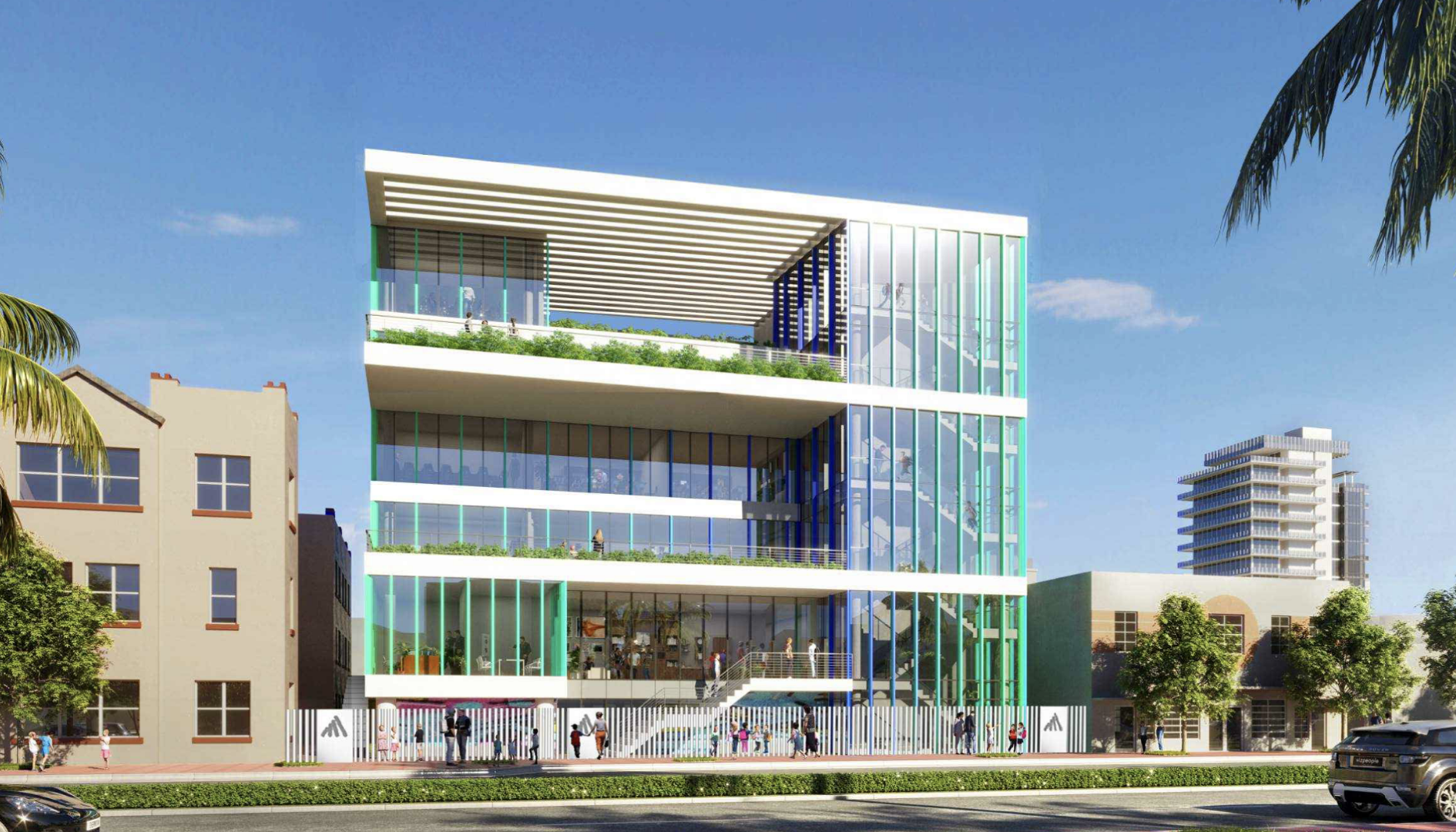
Rendering of the new 251 Washington school — a massive multi-story building already under construction
The developer's own application says it: the historic building would be replaced with "recreational open space" — synthetic turf, a fence, and benches. Not a school. Not housing. A playground.
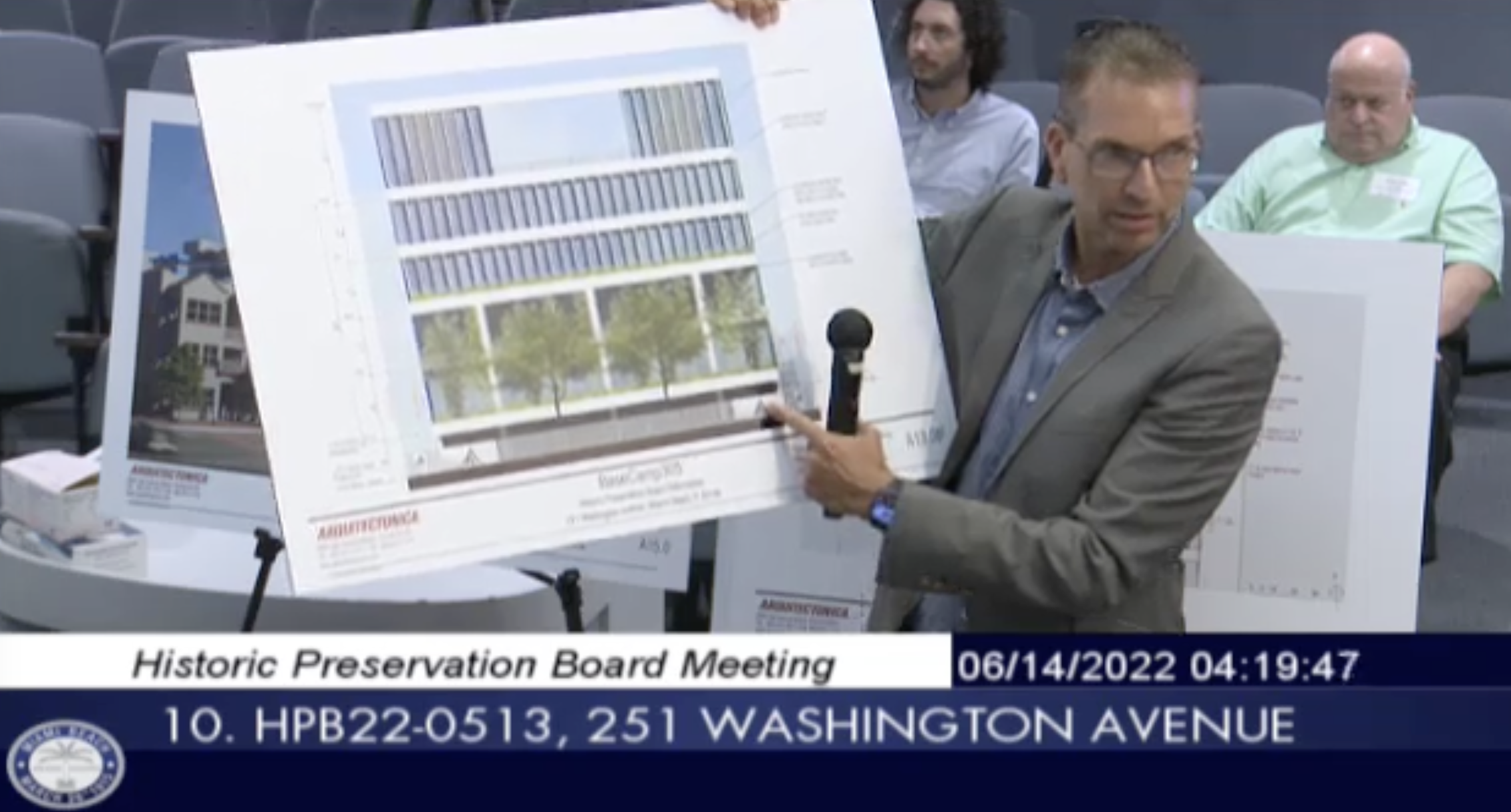
Historic Preservation Board meeting, June 14, 2022 (HPB22-0513): The 251 Washington school was approved with playground and sports space already included. So why demolish a historic building for more?
"If you already have a massive new school building under construction — with playground space included in the approved plans — why demolish a certified-safe historic building for more?"
The Ocean Beach Historic District was designated in 1996 to protect Miami Beach's architectural heritage. Every contributing building that falls weakens the entire district. If one can be demolished for a playground, what's next?
Allowing a developer to hire their own engineer, contradict an existing city certification, and demolish a contributing building sets a roadmap for destroying other historic structures across Miami Beach.
B. Kingston Hall designed some of Miami Beach's most important buildings, including the Blackstone Hotel. The Parkside Hotel is part of that legacy — once demolished, it's gone forever.
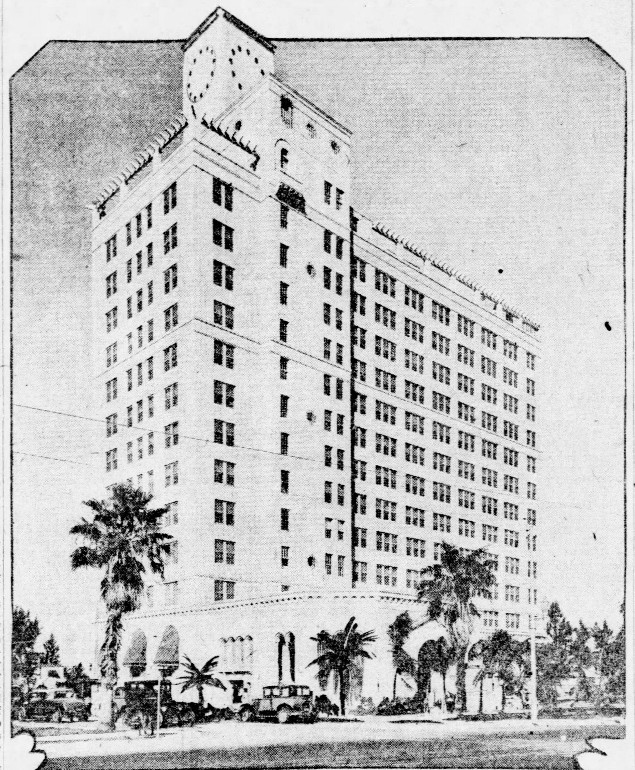
The Blackstone Hotel — another B. Kingston Hall masterpiece
Historic preservation protects the community. One individual's private school ambitions — however well-intentioned — should not override decades of preservation protections.
Add your voice. Sign the petition to tell the Miami Beach Historic Preservation Board and city officials that you oppose this demolition.
Thank you for standing up for 235 Washington. Your signature has been recorded.
Something went wrong. Please try again or email us directly.
Loading signatures...
We, the undersigned, oppose the application (HPB25-0645) to demolish the contributing building at 235 Washington Avenue — the historic Parkside Hotel — within the Ocean Beach Historic District.
This 1938 Art Deco building, designed by architect B. Kingston Hall, received a clean 40/50-year recertification in March 2019, certifying it structurally and electrically safe for continued occupancy through 2028.
The applicant's own structural assessment, commissioned by the entity seeking demolition, contradicts this existing city-accepted certification. A building does not go from "fair condition, safe for continued occupancy" to requiring "complete demolition" in just six years without extraordinary circumstances — circumstances that were never reported to the city.
The proposed replacement — synthetic turf and a fence for a private school — does not justify the irreversible loss of a contributing building in a designated historic district. Allowing this demolition would set a dangerous precedent: any developer could commission their own assessment, contradict existing certifications, and demolish protected historic structures.
We urge the Historic Preservation Board to deny this application and uphold the protections that the Ocean Beach Historic District designation provides.